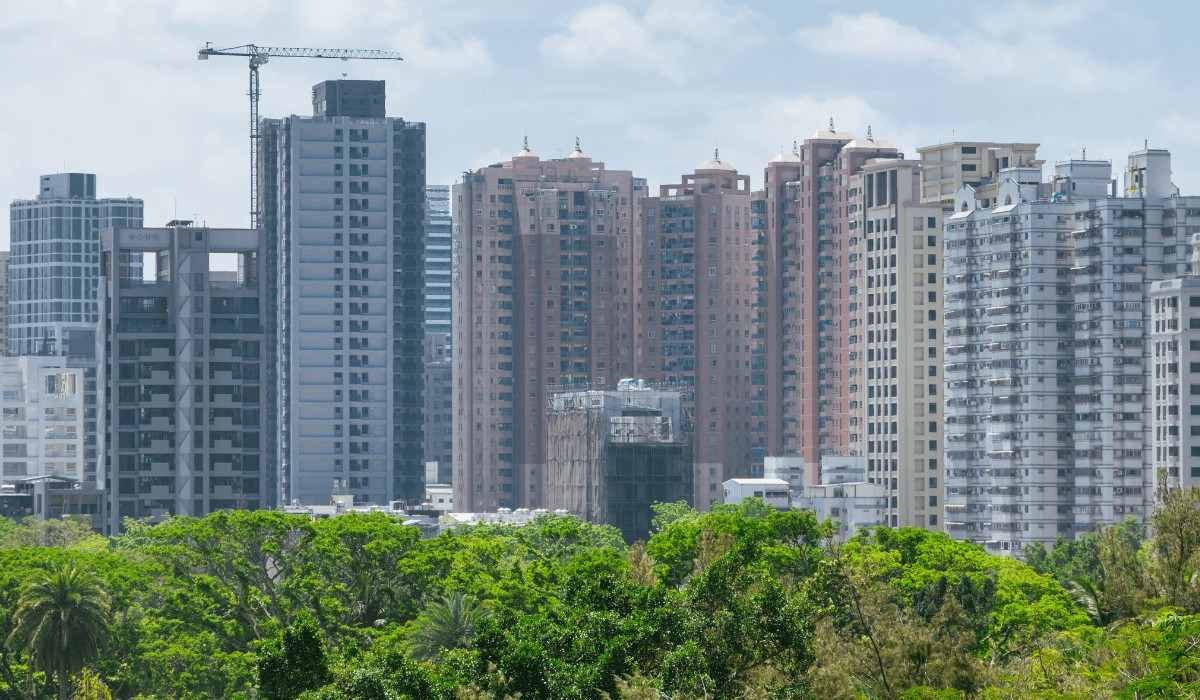
The property market across western India is changing fast. New highways, sea bridges, and metro lines now connect Mumbai, Navi Mumbai, and Pune into one large region.
If you are choosing where to invest in real estate in 2026, each city offers clear benefits. You can pick safe wealth, steady monthly rent, or fast price growth. Big projects like Atal Setu and the new airport cut travel times and unlock top growth hubs.
Picking the most profitable city comes down to partnering with Today Group to match your available budget and risk appetite to these massive infrastructure shifts.
The Shifting Investment Landscape in 2026
The property market across western India is changing fast because new roads and transit routes make travel simple.
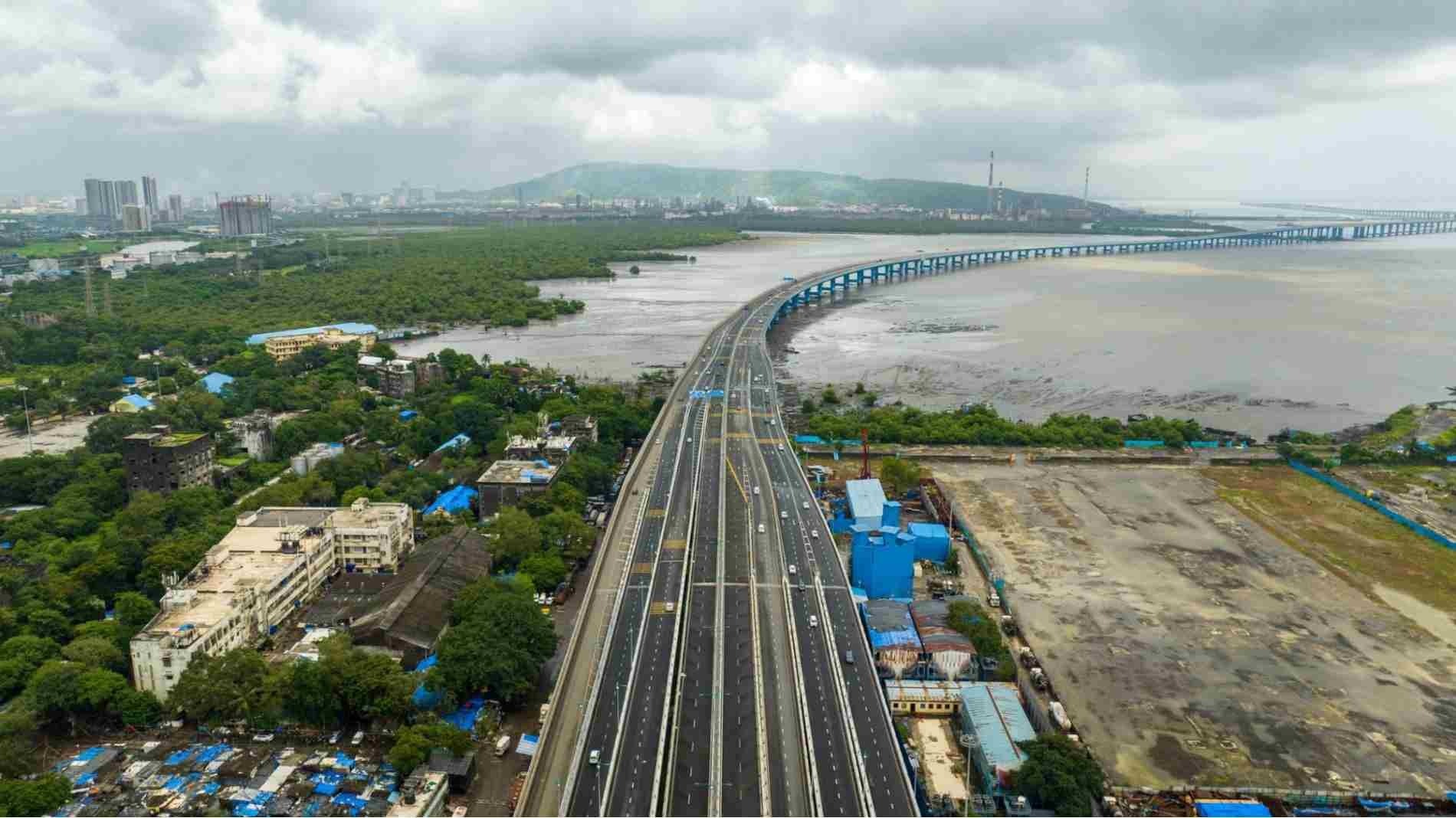
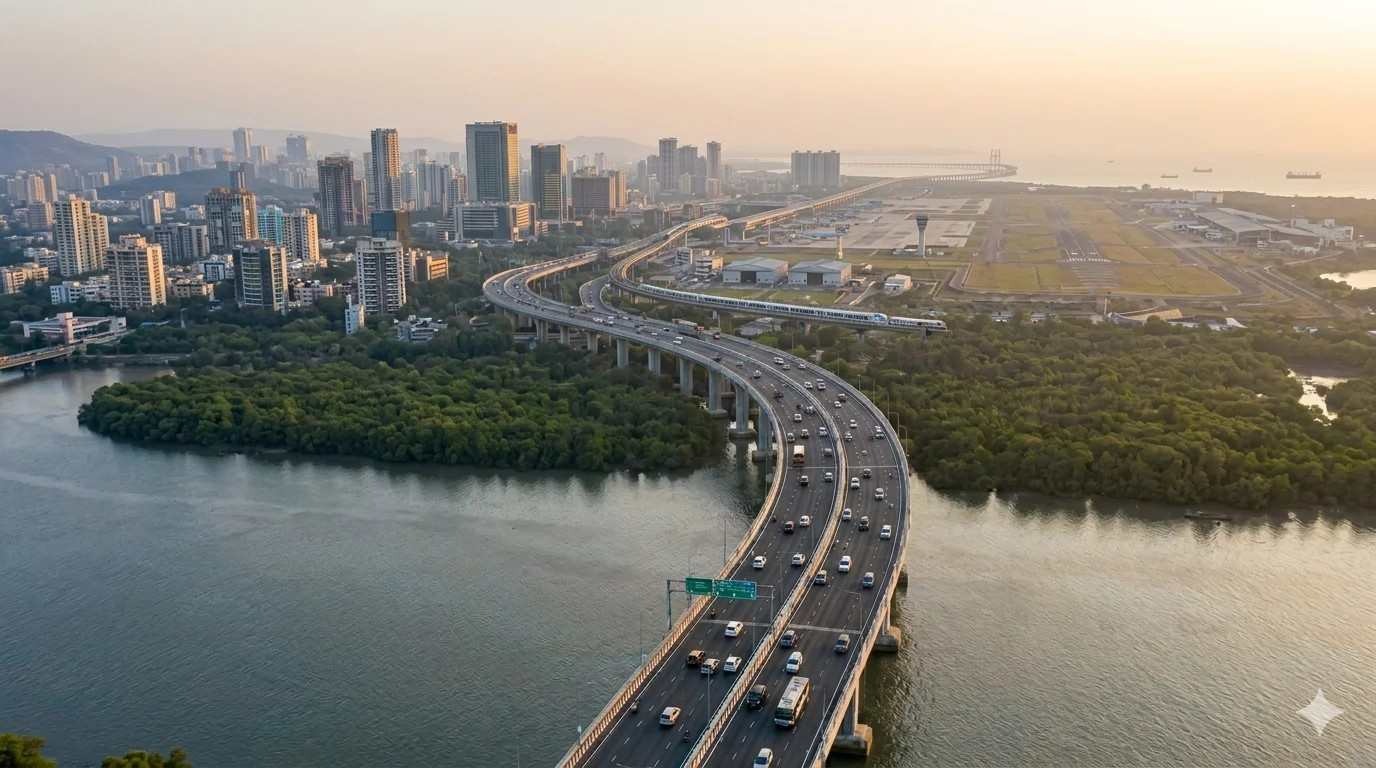
Key projects like Atal Setu, new metro lines, and the Navi Mumbai International Airport cut travel times by a lot. A drive from South Mumbai to Navi Mumbai now takes about 20 minutes instead of two hours. At the same time, better roads link Navi Mumbai and Pune directly.
Thanks to these routes, buyers choosing where to invest in real estate in 2026 see these three cities as one connected area. They can easily weigh Mumbai's safety, Pune's steady rental income, and Navi Mumbai's fast price growth.
Navi Mumbai: High Growth & Infrastructure
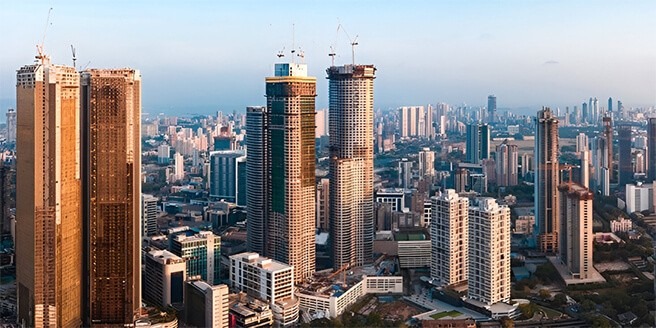
Navi Mumbai is built for rapid expansion under the planned direction of CIDCO. With large-scale connectivity links now open, the city offers balanced entry prices, modern living, and strong capital growth.
Price Trends and Entry Budgets
Property prices across Navi Mumbai offer accessible entry points compared to Mumbai's high land costs, making it a viable market for first-time buyers and seasoned investors alike.
- Entry Ticket Sizes: 1 BHK homes in developing corridors like Panvel and Upper Kharghar start between 35 Lakhs and 45 Lakhs rupees.
- Panvel Rates: Average flat prices in New Panvel stand around 13,800 rupees per square foot.
- Kharghar Rates: Average flat rates in established residential sectors of Kharghar hover around 18,500 rupees per square foot with standard 2 BHK homes priced between 75 Lakhs and 1.2 Crore rupees.
[source - 99acres]
Key Benefits
The city provides distinct structural advantages that set it apart from congested urban centers across the Mumbai Metropolitan Region.
- Planned Infrastructure: Wide road layouts, planned drainage, and dedicated green open spaces make daily life comfortable.
- Fast Connectivity: The operational Atal Setu cuts travel times into South Mumbai, while the local metro expansion connects key internal nodes.
- Economic Catalysts: The Navi Mumbai International Airport and new corporate offices continue to bring fresh jobs, commercial demand, and steady tenant inflow.
Ideal Investor Profile
Understanding the buyer profile ensures that you match your capital with the right asset class and holding period.
This market is best for buyers who want maximum 5-year capital appreciation. Investors looking for larger living spaces with modern clubhouse amenities at accessible entry costs gain the most as regional infrastructure matures.
Pune: Strong Rental Demand and IT Growth
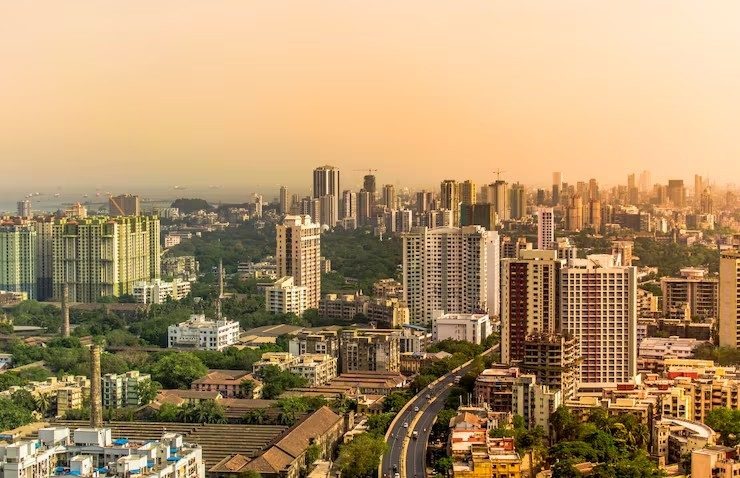
Pune is a thriving economic center driven by massive business parks and university campuses. With lower entry costs and a constant influx of tenants, the city delivers dependable monthly cash flow alongside steady capital growth.
Price Trends and Entry Budgets
Property prices in Pune remain accessible for both first-time buyers and seasoned rental investors, allowing buyers to secure family-sized homes at a fraction of Mumbai rates.
- Entry Ticket Sizes: Standard 1 BHK apartments in developing IT suburbs like Hinjewadi and Wagholi start between 40 Lakhs and 50 Lakhs rupees.
- Hinjewadi Rates: Average apartment prices in Hinjewadi stand around 8,450 rupees per square foot with typical 2 BHK homes ranging from 72 Lakhs to 1.1 Crore rupees.
- Wakad and Baner Rates: Prime western IT nodes command higher values, with Wakad averaging around 9,350 rupees per square foot and Baner reaching 10,500 to 12,500 rupees per square foot.
[source - 99acres]
Key Benefits
The city provides powerful demographic and business drivers that keep vacancy rates low and rental absorption steady throughout the year.
- Massive Employment Hubs: Massive IT parks like Rajiv Gandhi Infotech Park in Hinjewadi, Magarpatta City, and EON Free Zone in Kharadi bring hundreds of thousands of corporate employees into the city.
- Manufacturing and Education Base: Automobile plants, industrial belts, and premier colleges create a diverse tenant base of students, factory engineers, and corporate executives.
- Higher Rental Returns: Strong tenant demand combined with lower purchase prices allows Pune to generate healthy rental yields of 3.5% to 5% a year.
Ideal Investor Profile
Matching your financial target with the local market dynamics ensures that your capital works effectively over the long term.
This market is best for investors who want dependable monthly rental cash flow from professional tenants. Buyers who prefer low vacancy rates, lower maintenance costs, and a steady stream of income over speculative price jumps find the best value in Pune.
Mumbai: Safe Wealth and Prime Locations
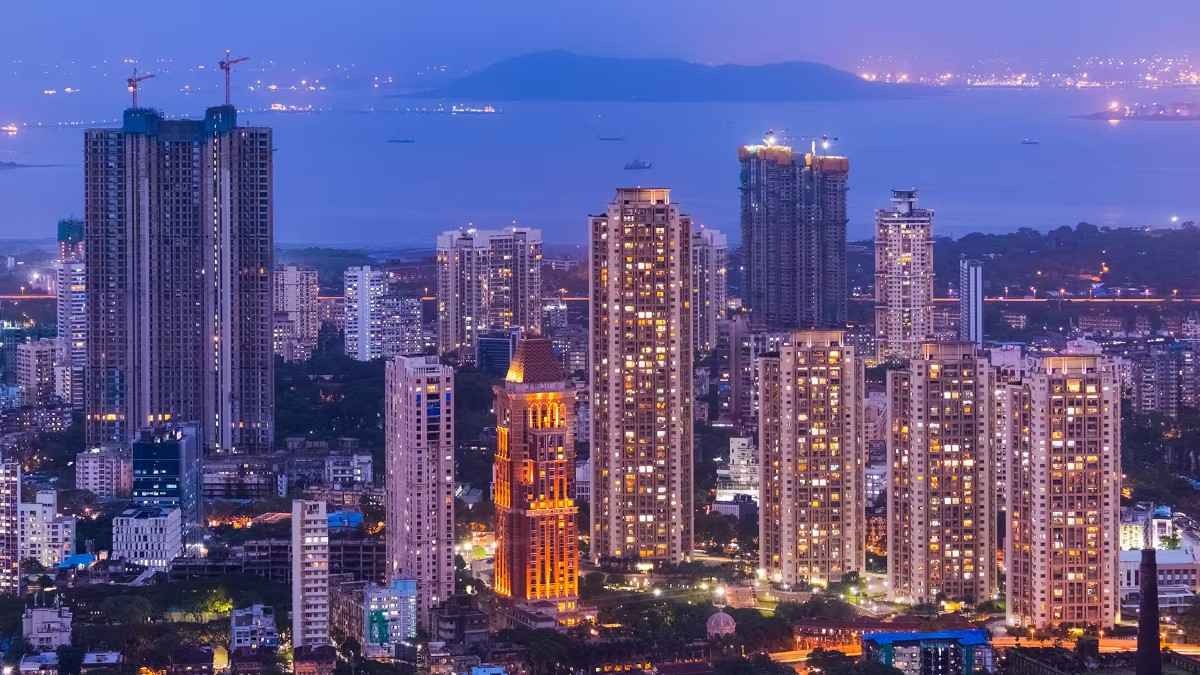
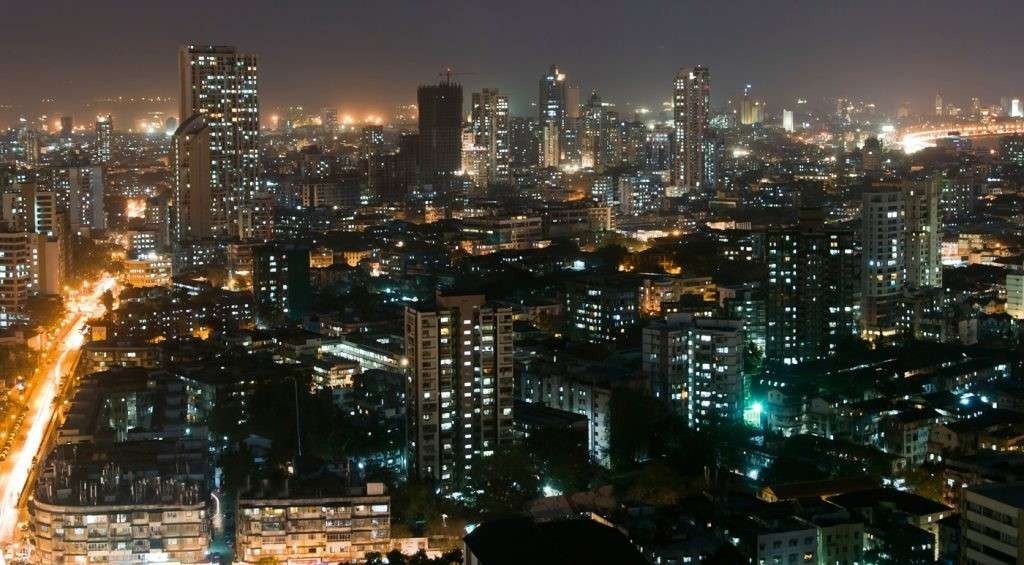
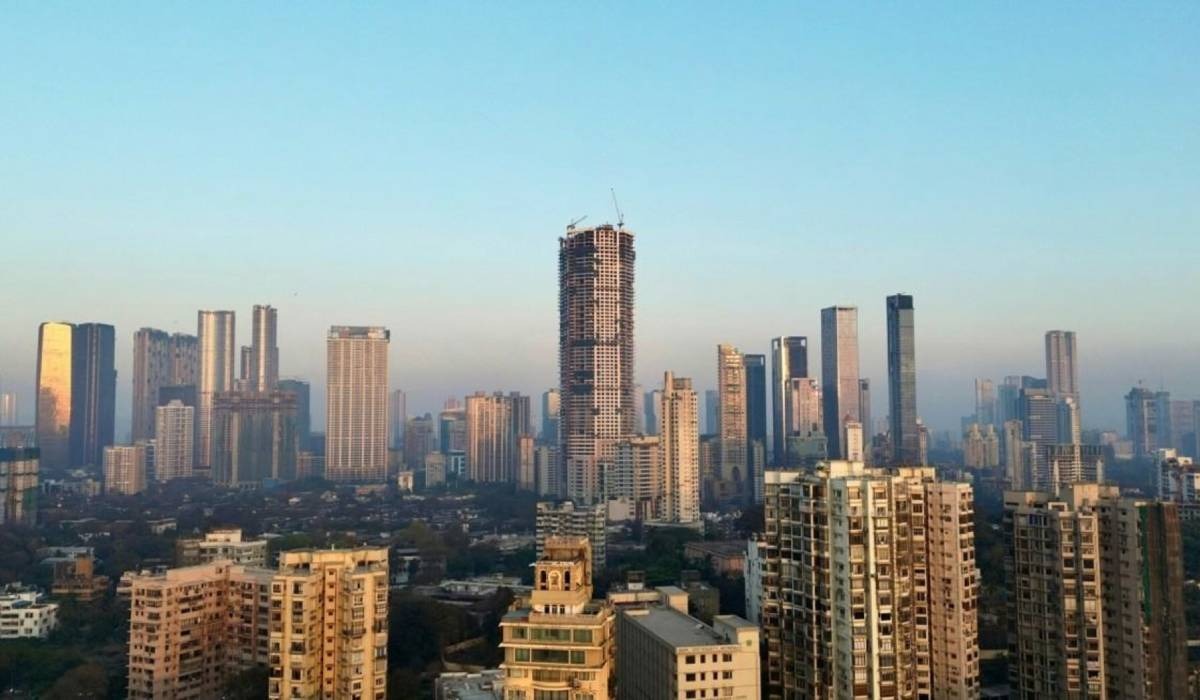
Mumbai is the financial capital of India and the most established property market in the country. Strict geographic boundaries and high land costs make it a market focused on protecting wealth, offering unmatched corporate prestige and strong resale liquidity.
Price Trends and Entry Budgets
High land costs keep starting prices steep across the city, meaning even peripheral suburbs require a substantial budget compared to Pune or Navi Mumbai.
- Entry Ticket Sizes: Compact 1 BHK homes in outer western suburbs like Dahisar start between 75 Lakhs and 95 Lakhs rupees.
- Western Suburb Rates: Average apartment prices in popular suburban belts like Kandivali stand around 27,900 to 29,700 rupees per square foot where standard 2 BHK homes regularly range from 1.6 Crore to 2.4 Crore rupees.
- Prime Central and Island City Rates: Premium central nodes and South Mumbai locations easily exceed 45,000 to 75,000 rupees per square foot with family-sized 3 BHK residences starting well above 4 Crore rupees.
[source 99acres , Magicbricks]
Key Benefits
The city offers unmatched institutional strength and commercial gravity that protect property values across market cycles.
- Premier Commercial Hubs: Established business districts like Bandra Kurla Complex (BKC), Lower Parel, and Nariman Point host global banks, corporate headquarters, and financial institutions.
- High Liquidity and Resale Demand: Constant domestic and NRI buyer interest ensures deep resale demand and faster exit liquidity than any other market in the region.
- Capital Safety: Extreme scarcity of open land prevents oversupply, shielding prime properties from severe value drops and ensuring long-term capital safety.
Ideal Investor Profile
Matching your financial target with the local market dynamics ensures that your capital works effectively over the long term.
This market is best for high-net-worth individuals who want to preserve large pools of capital in blue-chip real estate. Investors who value capital protection, brand prestige, and prime physical addresses over high rental yields will find Mumbai the most reliable choice.
Direct Comparison of All Three Cities
Comparing Mumbai, Pune, and Navi Mumbai side by side helps you weigh infrastructure, price points, and financial returns across each market.
| Parameter | Pune | Navi Mumbai | Mumbai |
|---|---|---|---|
| Connectivity | Improving, IT corridor driven | Planned, Atal Setu, Metro, Airport | Established, heavy traffic congestion |
| Land and Planning | Organic expansion, outer townships | Highly planned CIDCO grid, wide roads | Scarce open land, dense redevelopment |
| Average Property Rates | ₹8,500 to ₹10,000 / sq.ft. (Hinjewadi) | ₹18,500 / sq.ft. (Kharghar) | ₹19,000 to ₹28,000+ / sq.ft. (Suburbs) |
| Capital Appreciation | 7% to 9% per year | 9% to 12% per year | 5% to 7% per year |
| Rental Yield | 3.5% to 5% | 3% to 4.5% | |
| Entry Cost | Moderate | Low to Moderate | High |
| Buyer Profile | IT professionals, families, students | Growth investors, end-users | High net worth individuals, NRIs |
| Risk Factor | Low (steady tenant absorption) | Medium (project delivery timelines) | Low (stable property values) |
Key Market Takeaways
- Pune: Best for reliable monthly rental cash flow and steady residential growth supported by tech parks and colleges.
- Navi Mumbai: Best for maximum five-year capital appreciation, larger modern homes, and long-term gains from major transit projects.
- Mumbai: Best for wealth preservation, blue-chip capital protection, and prestige addresses with deep secondary market resale liquidity.
Top Investment Projects in Navi Mumbai
The Today Group brings over 20 years of experience, 30-plus projects across the region, and full MahaRERA compliance for clear titles and timely delivery.
Elara at Codename Cloud City
Elara at Codename Cloud City is part of a 9-acre township in Kharghar. It offers 2, 3, and 4 BHK flats with private open decks. The buildings have few homes per floor and private lifts. It is very close to Central Park, the golf course, and the new BKC-2 office hub. These features bring steady rent from office workers.
Codename Upvan
Codename Upvan offers peaceful living near green hills. It features simple 1 and 2 BHK flats with private balconies and lifestyle amenities. The project sits minutes away from the metro line and the planned road to Turbhe. It offers buyers low starting prices and strong price growth near the new airport.
Codename Citadel
Codename Citadel is located near Palm Beach Road, Juinagar train station, and the Atal Setu bridge. It offers large 2 and 3 BHK homes with a private clubhouse. A quick 20-minute drive to South Mumbai gives owners safe money growth, a prime address, and high rental income.
The Best Investment Choice for 2026
When choosing where to invest in real estate in 2026, your decision depends on your primary financial goal: Mumbai provides blue-chip wealth preservation for high-budget buyers, Pune delivers dependable rental income with low vacancy rates, and Navi Mumbai offers the highest five-year capital growth driven by major infrastructure upgrades like the Atal Setu and new international airport.
Before you invest, inspect official MahaRERA approvals, review layout plans, and check local prices. You can contact us directly to compare payment schedules, review unit floor plans, and book an on-site visit to inspect construction quality in person.
FAQs
Which city offers the highest capital appreciation for 2026?
Navi Mumbai offers the highest capital appreciation potential due to major infrastructure milestones like Atal Setu, expanding metro lines, and the international airport.
Why is Pune preferred for rental income?
Pune has large IT parks, industrial zones, and educational institutions that provide steady tenant demand, low vacancy rates, and consistent monthly cash flow.
What is the main advantage of investing in Mumbai property?
Mumbai offers capital preservation and secondary market resale liquidity, making it ideal for investors focused on long-term safety and prime addresses.
How does entry pricing compare between Navi Mumbai and Pune?
Both markets offer accessible entry budgets for 1 BHK homes starting in developing suburban nodes, unlike Mumbai where entry costs remain substantially higher.
How does infrastructure impact property choices across these three cities?
High-speed road networks, sea links, and metro expansions connect Mumbai, Navi Mumbai, and Pune into a unified belt, allowing buyers to choose locations based on budget and ROI rather than distance alone.