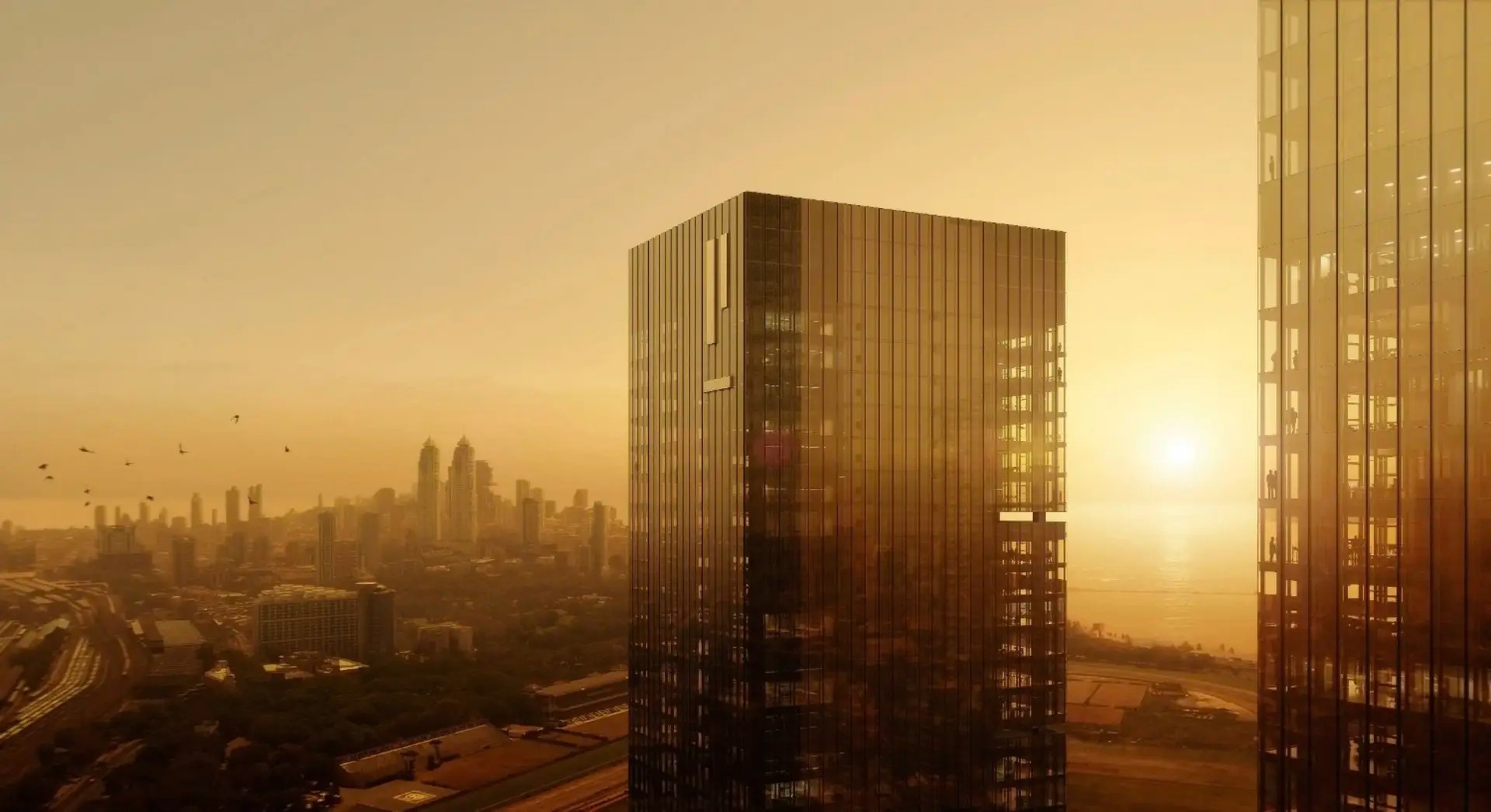
I’m going to say something that might upset the old-school Mumbai real estate traditionalists: the days of South Mumbai holding an absolute monopoly on accessibility and prime valuations are over.
If you have been paying attention to the ground reality in 2026, you already know exactly what I am talking about. We are living in the era of "Third Mumbai," and at the absolute dead center of this infrastructure revolution is Ulwe.
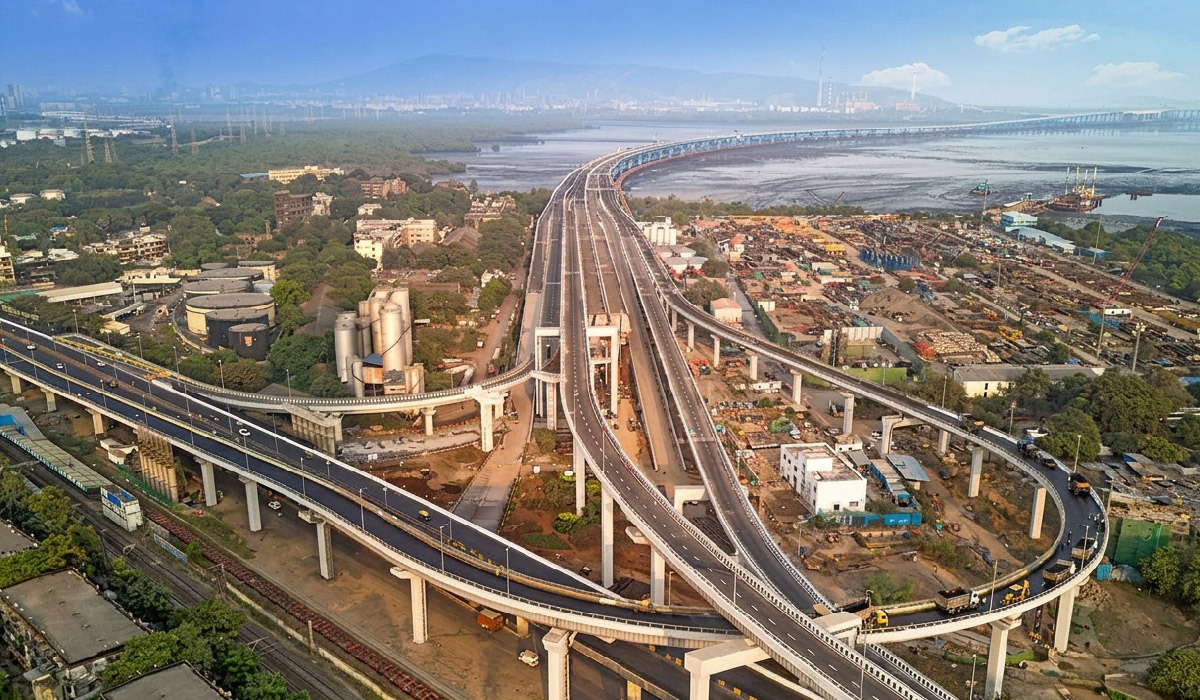
The MTHL impact on Ulwe is no longer a future projection sketched out on a developer's brochure; it is a daily, lived reality for thousands of commuters who are slicing their travel time to South Mumbai down to a mere 20 minutes.
If you are looking to understand the current Ulwe real estate trends, you need to stop listening to outdated advice from 2021 and start looking at the hard, unyielding data of today's market.
Sources:navimumbai.com
The Pre vs. Post Atal Setu Reality
Back in the pre-airport, pre-bridge era (around 2020–2021), Ulwe was seen as an overlooked pocket with potential. Residential prices were hovering around a modest ₹6,000 to ₹7,500 per square foot.
It was a haven for budget-conscious buyers who were willing to trade immediate convenience for future upside.
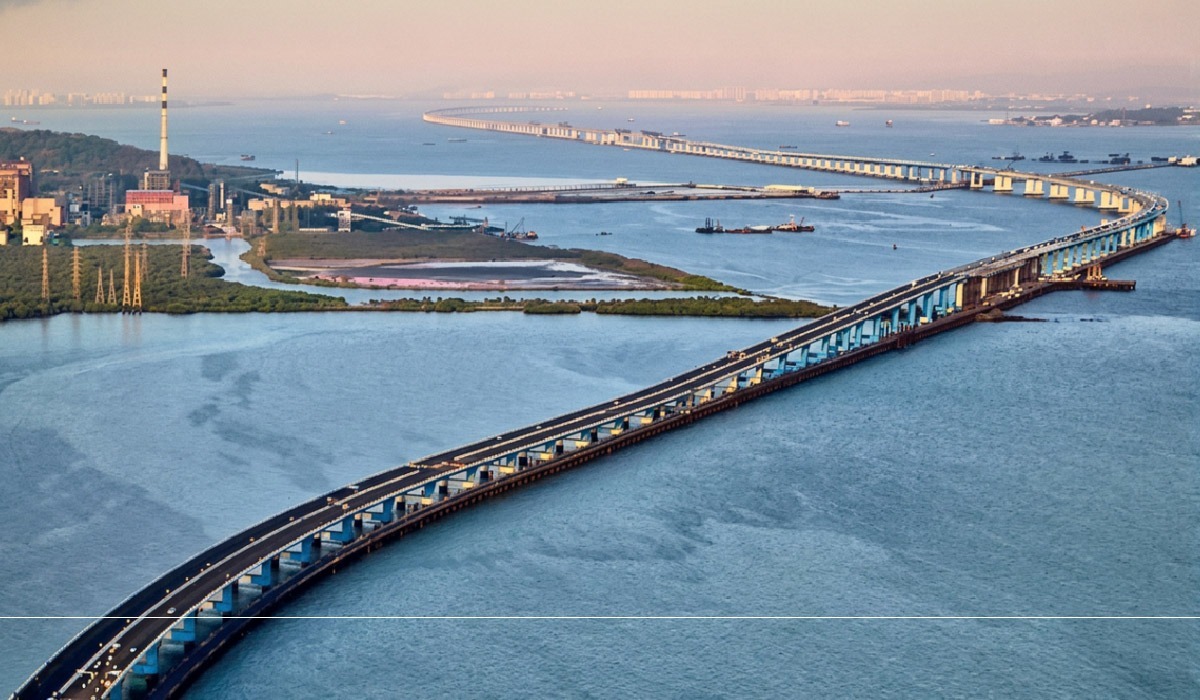
Today, with the 21.8 km engineering marvel that is the Atal Setu handling peak traffic volumes, the baseline has entirely shifted. We are currently seeing property prices in the Ulwe and wider Panvel belt command anywhere from ₹8,500 to a staggering ₹13,000+ per square foot for premium developments.
In some pockets within the airport and MTHL influence zone, capital values have surged by 74% over the last four to five years.
Why? Because the Mumbai Trans Harbour Link benefits transcend simple road connectivity. This bridge hasn't just reduced the distance between two landmasses; it has redefined the psychological map of Mumbai.
The Trifecta of Growth: It’s Not Just the Bridge
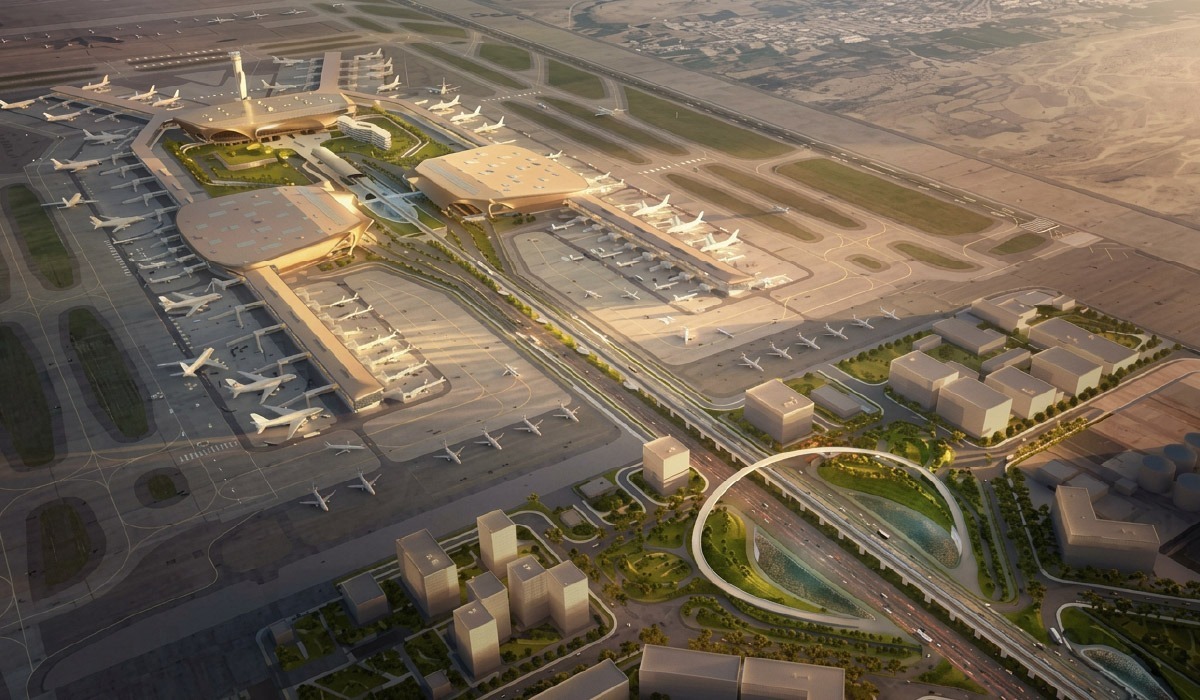
While the Atal Setu is the most visible catalyst, it is only one piece of a much larger puzzle. The reason we are so bullish when advising people to invest in Ulwe is because the region is benefiting from a rare trifecta of mega-infrastructure projects converging at the exact same time.
- The MTHL handling the east-west connectivity
- The Navi Mumbai International Airport (NMIA)
- The massive CIDCO-planned NAINA development and coastal road expansions
In 2026, the airport is transforming the region into a global aviation and logistics hub. Airports create micro-economies. They bring in aviation staff, hospitality executives, logistics companies, and corporate headquarters; all of whom need high-quality housing.
We are already seeing rental demand in Ulwe and neighboring nodes spike, with premium furnished rentals commanding 20–30% higher yields than they did just two years ago.
Sources:navimumbai.com, NAINA navimumbai.com.
The Pioneers of "Third Mumbai"
 When a micro-market explodes the way Ulwe has, you see a flood of fly-by-night contractors suddenly rebranding themselves as "luxury developers." They buy a tiny plot of land, put up a flashy billboard, and try to ride the MTHL wave.
If you want to make a safe, generational investment, you have to look past the newcomers and focus on the pioneers; the builders who had the foresight to lay bricks in this region when everyone else was still doubting it.
We cannot talk about the rise of Navi Mumbai without acknowledging developers like The Today Group who actually built the foundation.
The Today Group didn't just show up yesterday to cash in on the Atal Setu hype. We have a 20-year legacy that started back in 2005. We delivered landmark projects right in Ulwe, including Paradise, Grande Vista, Ganesham, and Elite. We proved their commitment to the region long before it became the hottest headline in real estate.
The "Lacking Amenities" Myth
If you go on real estate forums right now, you will inevitably find someone saying, "Sure, the MTHL impact on Ulwe is real, and the commute is great, but where are the massive shopping malls? Where are the international schools?"
This is the classic trap of novice real estate investing.
Infrastructure always precedes commercial amenities, which in turn precedes peak valuation. For a long time, Ulwe felt like a vast expanse of roads and under-construction towers. But that narrative is shifting rapidly. Commercial hubs, fine dining, healthcare facilities, and top-tier educational institutions are aggressively buying up land in Ulwe precisely because the population is moving there.
If you wait to buy until the giant luxury mall is fully operational and the international school is accepting its third batch of students, you will be buying at the absolute peak of the market. You will have entirely missed the 30% to 50% appreciation wave. You don't invest in a growing market for what is on the ground today; you invest for what is guaranteed to be there tomorrow.
Sources: Ulwe emerging amenities and infrastructure, Homebazaar; Ulwe infrastructure pipeline, navimumbai.com.
Invest in Ulwe Today Before It's Late
We are transitioning from the "discovery" phase of Navi Mumbai into the "maturity" phase. The explosive, overnight 70% jumps in land valuation are going to give way to a more stabilized, steady annual appreciation of 8% to 12%.
What does this mean for you? It means the era of cheap, speculative entry into Ulwe is effectively over. The properties are transitioning from being 'affordable alternatives' to becoming 'premium primary residences.'
If you are looking to secure a generational asset, something that will benefit from the continued expansion of the NMIA, the NAINA smart city developments, and the seamless MTHL connectivity, the time to act is right now. And when you do act, make sure you are putting your capital into the hands of trusted developers who have been building this city since day one.
Sources:navimumbai.com area-wise, navimumbai.com.

(1)(1).jpg)